
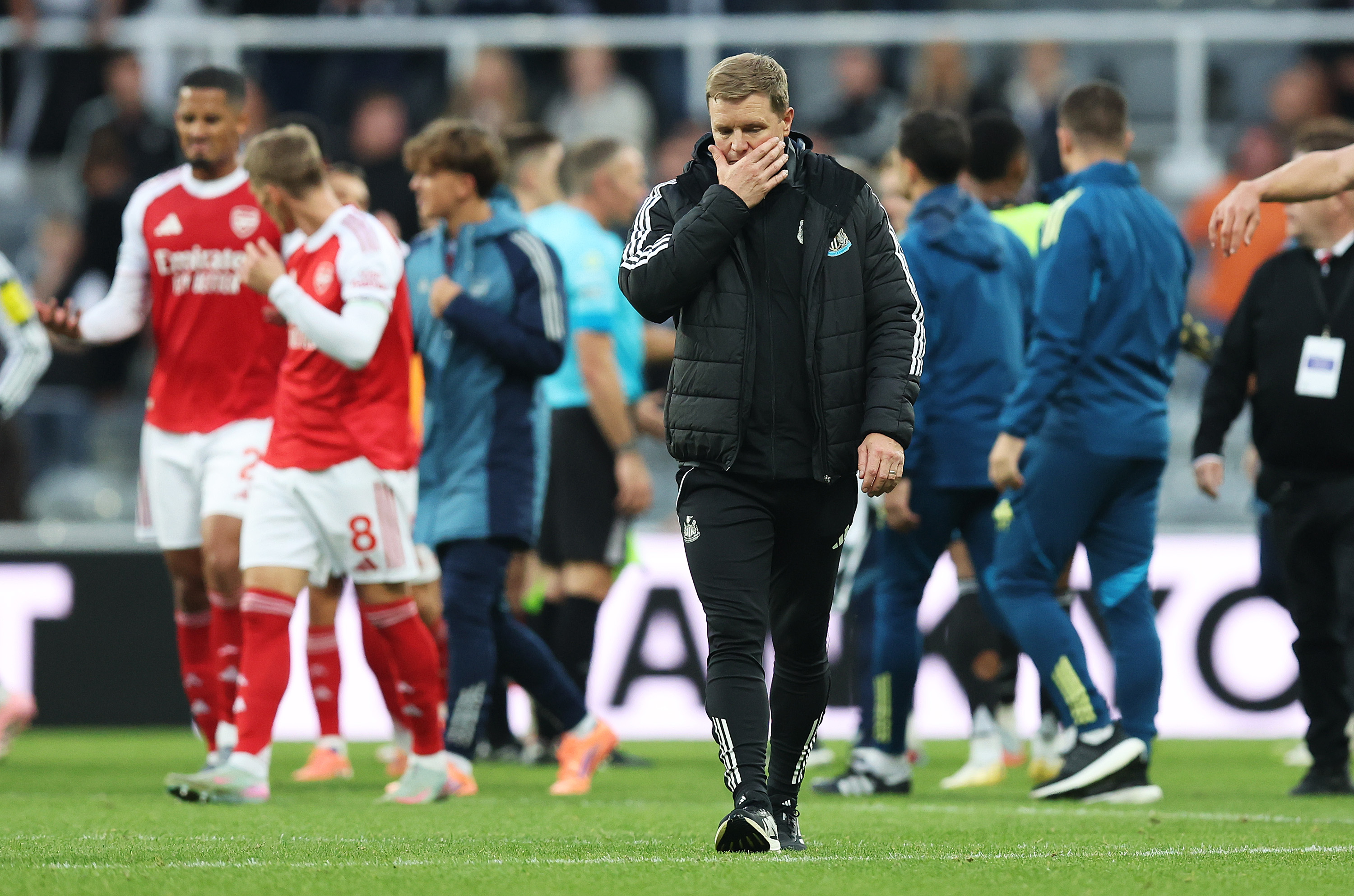
If someone had told me before the match that Arsenal would beat Newcastle by two goals to one I would have accepted it. The North London team is well into its stride while Newcastle has had a stuttering but not disastrous start. The transfer window was somewhat of a debacle and the whole Isak affair has left the team having to rediscover itself. That will take time yet the future looks very exciting. In the Premier League, however, time is never on your side, except it seems for some teams on the pitch.
What upset me about the result was the way that it came about. The winning goal came in the sixth minute of added time in the second half, with the match going on until eight or nine minutes had been played. The first half was similar with around ten minutes added time. I get it that there were stoppages caused by VAR decisions being taken, injuries and substitutions but having an open ended game without a defined end point, just doesn’t seem right to me. The players and the spectators have no idea when the match is actually going to end, with the final decision down to the man (or woman) in the middle.
Compare this to the fantastic game of rugby between Canada and England on Saturday which saw England lift the World Cup. During that match, everyone could see the clock, telling them how much of the match had been played and how much time was left. When there was a need to break the game, such as for a serious injury, the referee could stop the clock yet once the eighty minutes were up, the game stopped as soon as the ball went dead. No ifs or buts.
Technology in sport is always a contentious issue. VAR seems to have caused more controversy than it has solved yet clocks and stopwatches have been around for centuries. It is time to introduce a more effective way of determining how long a football match should last.
Arsenal were the better team. Union Saint-Gilloise tomorrow!
 Thoughts from a Guerrilla Worker