
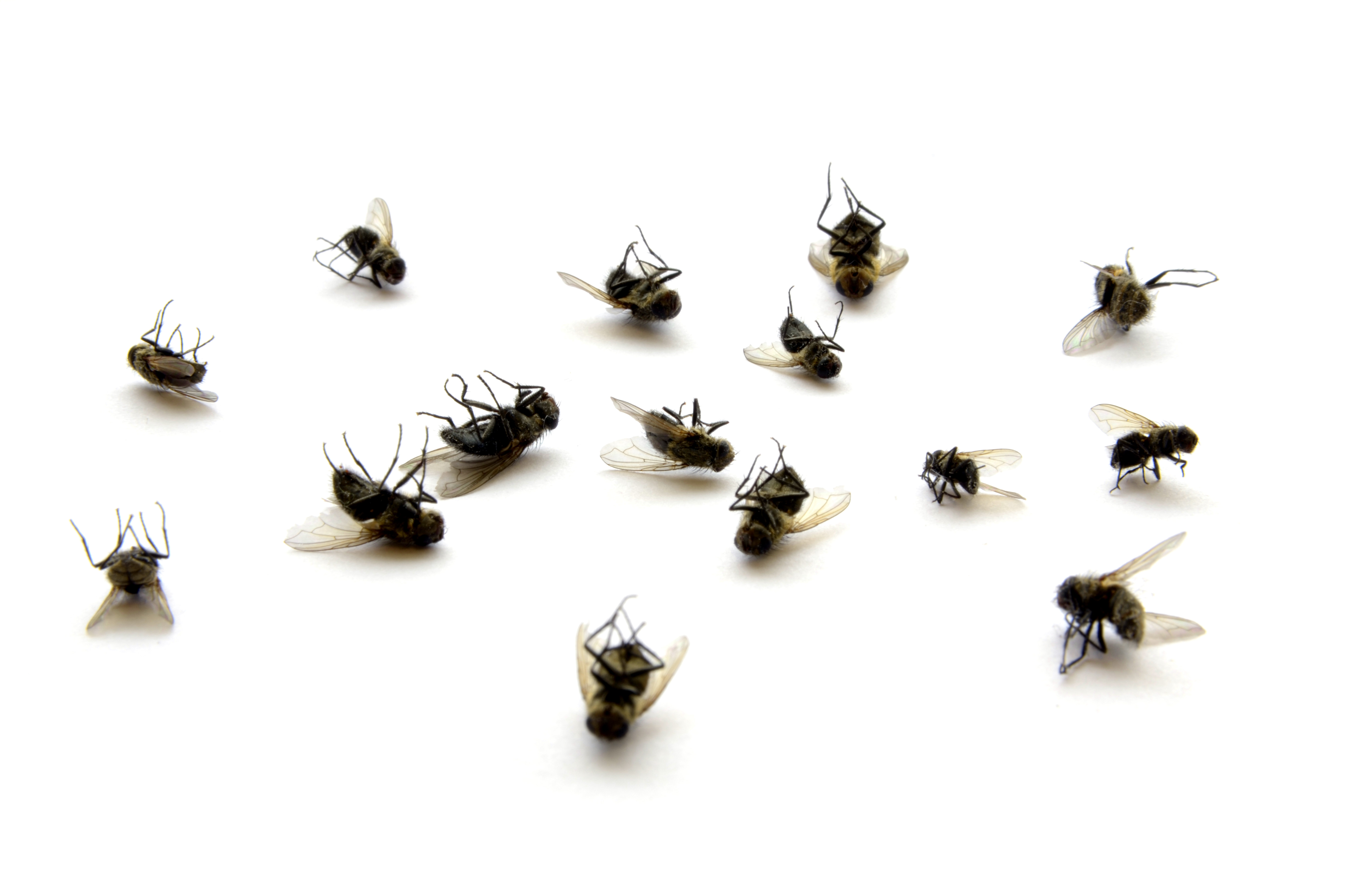
Back in the day, a drive down the motorway would have meant carnage on your windscreen as you ploughed your way through millions of flying insects. A long journey would require a good wipedown of the front number plate. Indeed you could even buy ‘fly squash remover’ at your local automotive shop . I remember selling it in the early days of my career.
These days you will be lucky to have anything to wipe off. It won’t even be worth getting the sponge out.
What has happened to all the flies? Where are the bluebottles, the lacewings, the fruit flies, the ladybirds, the moths, the wasps, the midges, the bees and the butterflies?
According to the Natural History Museum (NHM), in an article written in 2022, the UK’s flying insect population has declined by 60% in the last 20 years. This year it seems to be almost completely annihilated. The NHM put the decline down to the invertebrates being affected by rising temperatures and fragmented habitats.
As I am writing this, it is a beautiful day with hardly a cloud in the blue sky. But there are no swallows or swifts. The swallows should have arrived from Africa around mid April and the swifts throughout July. I put it down to the most dangerous animal on earth – us.
It might be a nuisance having flies around your head or buzzing around your house but the consequences may well spell disaster. Insects and invertebrates in general underpin the whole world’s ecosystem. Their loss could spell the end of the world as we know it, with crop failure and the loss of the fauna that rely on them for food.
I hope that they come back, not because I miss their flitting around my head, but because without them we are doomed. Perhaps not today but in the near future, it is very possible that without flies there will be no humans. What have we done?
 Thoughts from a Guerrilla Worker